How to choose coffee beans: 5 criteria
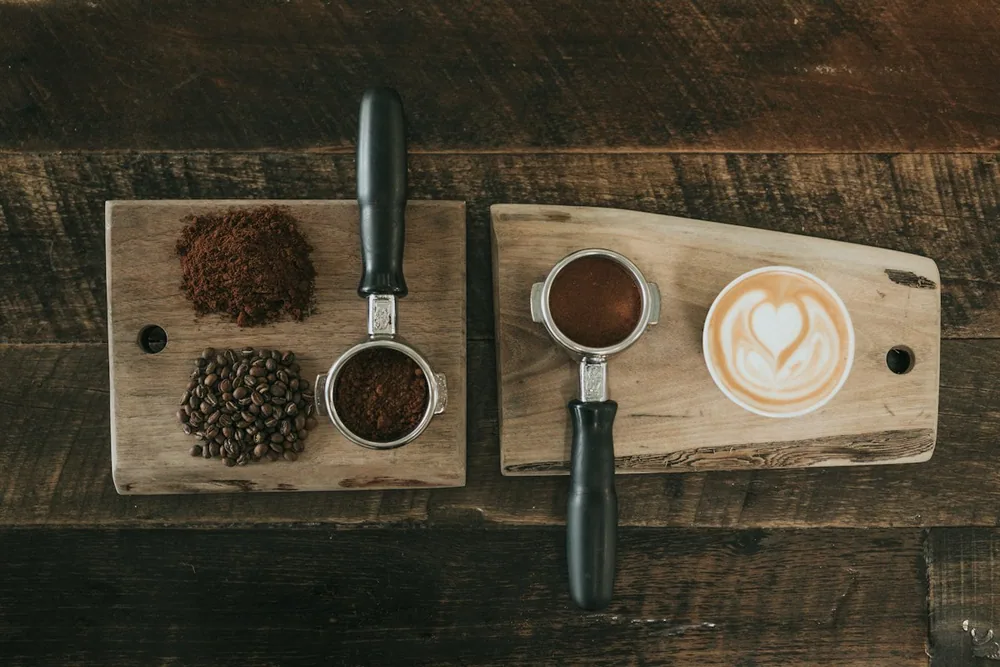
A shelf of specialty coffee can be intimidating: Kenya, Guatemala, honey, monsooned... In reality, the choice comes down to five clear criteria. Let's go through each one with examples from our catalogue — so that in five minutes you can confidently pick beans for your filter, moka pot or espresso machine, without relying on pretty words on the packaging.
Criterion 1: the roast date matters more than the best-before date
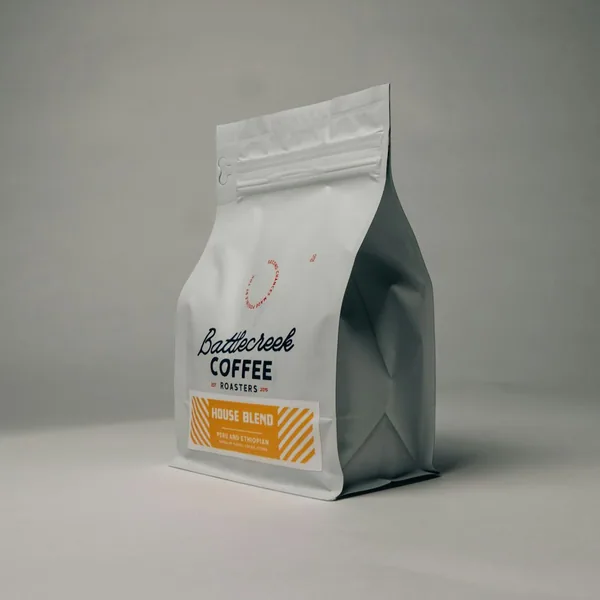
The best-before date on coffee is often a year or more away, but it tells you nothing about flavour. Coffee is a fresh product: aroma peaks between one and six weeks after roasting. Look for the roast date on the bag. CraftCup prints it on every bag, and we roast in small batches in Riga every week. If there's no date on the bag, that's a reason to be cautious.
Criterion 2: country of origin = base flavour
The region sets the character of the bean. Ethiopia — flowers, tea, citrus. Kenya — blackcurrant and bright acidity. Colombia — caramel and red apple. Brazil — chocolate and nuts. Guatemala — cocoa and spice. Want to start with something easy? Try Colombia Huila — a balanced profile almost everyone enjoys. If you like bright and berry-forward — Kenya AA Nyeri.
Criterion 3: processing (washed/natural/honey) and what it changes
- Washed — a clean, clear taste with pronounced acidity. Example: Yirgacheffe.
- Natural — the coffee cherry is dried whole, giving a sweet, fruity cup with berries and strawberry. Example: Ethiopia Guji Natural.
- Honey — the middle ground: syrupy sweetness with a clean body. Example: Costa Rica Tarrazu Honey.
- Monsooned — the beans are exposed to monsoon winds: almost no acidity, plenty of spice and body.
Criterion 4: roast level to match your brewing method
A light roast preserves berry and floral notes — the choice for filter (V60, Chemex). A medium roast is versatile and works for filter, espresso and the moka pot alike. A dark roast brings chocolate-caramel bitterness and a heavy body — ideal for espresso and milk drinks, like our “Rīgas Rīts” blend. If you drink coffee with milk and don't like acidity, go for a medium or dark roast.
Criterion 5: an honest label (lot, altitude, variety)
A good label tells you more than “100% Arabica”: country and region, processing, sometimes farm altitude and variety, the roaster and the date. The more specific the information, the more likely the coffee is traceable and thoughtfully roasted. On every product page we list the country, processing and roast in the specifications table, and on the bag — the roast date and tasting notes.
In short: check the date, origin, processing, roast and the honesty of the label — and you'll find your coffee. Still unsure? Message us on WhatsApp and we'll suggest what suits your coffee maker. The full range is in the “Coffee beans” category.